

A burst pipe in the ceiling means a water line overhead has cracked or broken, leaking water into your home. This often shows up as ceiling stains, bulges, or dripping water. It’s an urgent plumbing emergency because even a small leak can quickly soak drywall and insulation. Left unchecked, the water can weaken ceiling joists and even cause collapse. In short, a burst ceiling pipe can lead to major water damage, so prompt action is critical.
Warning Signs of a Burst Ceiling Pipe
Keep an eye out for these red flags in the ceiling above: steady drips of clear water, brownish stains, or dark rings on the plaster. A fresh burst pipe leak usually starts as clear water dripping at a constant rate until the main water is shut off.
The ceiling may bulge, sag, or feel soft as drywall soaks up water. You might also smell musty odor or see mold spots forming, since mold can start growing within 48 hours of moisture. In short, any unexplained water on or dripping from a ceiling—even a small drip—should be treated as an emergency.
What to do When a Ceiling Pipe Bursts?
A burst ceiling pipe can turn your home into a soggy disaster zone in minutes. Acting fast is the difference between a quick cleanup and thousands in repairs. Whether it’s from freezing temperatures, old plumbing, or sudden pressure buildup, knowing exactly what steps to take will help you stay safe, protect your property, and limit water damage.
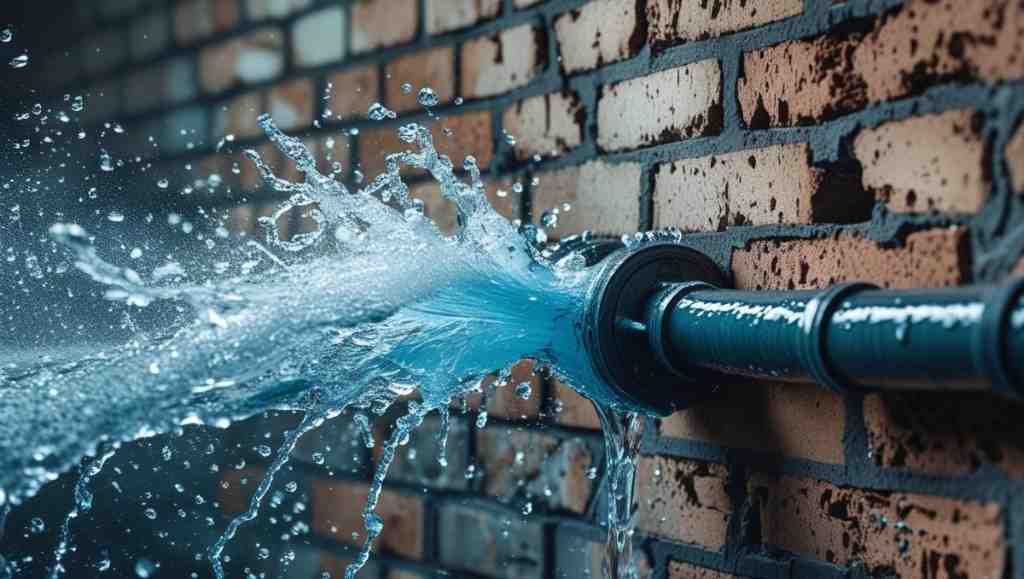
what to do when pipe burst
- Shut off power and water: For safety, first cut electricity to the affected area at the breaker box. Then turn off your home’s main water valve to stop more flow. This protects you from electric shock and prevents further flooding. Use a flashlight or emergency lights to work safely once power is off.
- Contain the water: Quickly put down buckets, towels, or plastic sheets under all drips to protect floors. If the ceiling is bulging with trapped water, gently poke a small hole at the lowest point (using a hammer and screwdriver, for example) so it drains into your container. Draining the pocket of water relieves heavy pressure on the ceiling (water weighs over 8.5 lbs per gallon) and helps prevent sudden collapse. Keep spare buckets nearby in case one fills up.
- Remove wet materials: Once most water is drained, carefully cut away the damaged ceiling drywall or plaster. Outline a rectangle around the soaked area and use a drywall saw to remove all wet sections. Pull out soaked insulation and crumbling ceiling material (wear gloves and goggles). Dry and crumbling debris often falls away easily once cut. Removing these soggy layers helps stop hidden drips and lets air circulate.
- Locate and stop the leak: With the wet material out of the way, look up into the ceiling cavity. If you can safely reach the broken pipe, inspect it. For a quick DIY fix, wrap the crack with fiberglass repair tape, apply plumber’s putty, or use a pipe clamp kit. These kits can seal small breaks temporarily. However, ceiling pipes can be hard to patch securely. If the break is large or you’re unsure, call a licensed plumber immediately. A professional will replace or permanently repair the pipe section so the leak won’t recur.
Dealing with a ceiling pipe burst is stressful, but quick action can save you from bigger headaches later. Once the immediate damage is contained and the leak is fixed, make sure the area is completely dried and inspected for mold or structural issues. And remember — while temporary fixes can buy you time, a professional plumber’s repair is the only way to ensure the problem doesn’t come back. Your ceiling (and your peace of mind) will thank you.
Related:
Burst Pipe Repair Cost: What to Expect in 2025
How Much Does It Cost to Repipe a House in California?
How to Install Water Supply Lines – Easy DIY Plumbing Guide
How Much Does It Cost to Replace Cast Iron Pipes in California?
How Much Does It Cost to Clear Roots from a Pipe?
How to Fix a Burst Pipe?
- Professional repair: For most homeowners, fixing a ceiling pipe means calling a plumber like Cyclone Plumbing USA. A pro will cut into the ceiling safely, remove any damaged pipe, and replace it with new material. They’ll also check for any unseen cracks or weak fittings nearby. After the pipe is fixed, it’s crucial to dry the area completely (using fans or dehumidifiers) before patching the ceiling. Cyclone Plumbing USA technicians can handle all these steps – from emergency water shutoff to replacement and drying – to ensure the leak is gone and the ceiling is restored.
- DIY caution: If you are experienced, small cracks can be temporarily sealed with repair tape or putty. But remember these are short-term fixes. Once patched, you’ll still need to replace or properly join the pipe, usually requiring soldering or new fittings. After any repair, allow the space to dry fully (often a few days with good airflow) before spackling and painting the ceiling. Final patching involves replacing drywall and using joint compound and tape for a smooth finish.
Burst Pipe? We’ve Got You Covered 24/7
Temporary fixes won’t cut it — Cyclone Plumbing USA provides lasting ceiling pipe repairs to prevent future leaks and costly damage. Serving Orange County homes day and night with rapid emergency response.
What causes pipes to burst
Pipes can burst for several reasons, and usually it’s a mix of wear, environmental conditions, and pressure issues. Here are the main causes:
- Freezing temperatures – When water inside a pipe freezes, it expands. This expansion puts extreme pressure on the pipe walls, especially in uninsulated areas like attics, crawl spaces, and exterior walls. Eventually, the pipe cracks or bursts.
- High water pressure – If water pressure in your home is consistently above safe levels (usually over 60 psi), it can strain joints, valves, and pipe walls until they fail.
- Corrosion and rust – Over time, metal pipes (especially galvanized steel or copper) can weaken from rust or mineral buildup, making them more likely to crack under normal use.
- Shifting or movement – Ground movement, foundation settling, or even vibrations from nearby construction can put stress on pipes and cause them to snap or separate at joints.
- Poor installation or defective materials – If pipes are installed incorrectly or made from low-quality materials, they may fail prematurely.
- Clogs and blockages – A severe clog can trap water in a section of pipe, creating pressure buildup. Combined with weak spots, this can lead to a burst.
- Sudden temperature changes – Rapid heating or cooling of water inside the pipes can cause expansion and contraction that weakens pipe material over time.
Knowing the causes of burst pipes helps you prevent them—regular maintenance and quick action are your best defense.
Preventing Future Ceiling Pipe Bursts
Ceiling pipe bursts aren’t just random disasters—they’re often the result of preventable issues like freezing, pressure build-up, or aging materials. With the right precautions, you can protect your home from costly leaks and structural damage before they happen.
- Insulate and winterize: Keep pipes warm to stop freezing. Insulate any pipes in unheated spaces or along outer walls. Sealing gaps around windows, doors, and crawl spaces prevents cold drafts that freeze pipes. In cold weather, keep a trickle of water running or the heat on in areas with plumbing. Also maintain your home’s exterior – clear gutters and repair roof leaks – so water doesn’t seep into walls and freeze near pipes.
- Regulate pressure: Have a plumber check that water pressure in your home is at a safe level (usually below 60 psi). Excessive pressure stresses pipes and joints, leading to leaks over time. Installing a pressure regulator can protect older plumbing.
- Routine checks: Inspect for drips regularly. Look at ceilings and walls for damp spots or discoloration. Change old pipe materials (like galvanized steel) before they fail. Join a maintenance program if available (many plumbers offer annual home inspections).
Preventing a burst ceiling pipe comes down to vigilance and proactive care. By insulating, monitoring water pressure, and scheduling routine inspections with trusted pros you’re safeguarding not just your pipes, but your entire home from expensive and disruptive water damage.
Long-Term Plumbing Care
Keep your plumbing system in top shape with yearly inspections. A skilled plumber will test water pressure, check pipe joints, and ensure fittings are tight. Fix any minor leaks at faucets or appliances before they spread.
If your home has hard water, use a water softener to prevent mineral buildup inside pipes. Flush and service your water heater to avoid corrosion.
Cyclone Plumbing USA offers maintenance plans and can replace outdated piping with modern materials. By staying proactive – catching leaks early and upgrading aging plumbing – you’ll greatly reduce the risk of another ceiling leak later.
Cyclone Plumbing USA: Professional Help & Maintenance
Cyclone Plumbing USA offers 24/7 emergency service for burst ceiling pipes. If water is pouring from your ceiling, our on-call team can arrive quickly to shut off your water supply, fix the pipe, and start cleanup. We handle every step – cutting out damaged drywall, repairing or replacing the pipe, and fully drying the area – so you can relax.
Beyond emergencies, Cyclone Plumbing USA provides preventative plumbing care. We conduct thorough inspections of your plumbing system, adding pipe insulation where needed and advising on upgrades. Our plumbers can install leak detectors or pressure regulators to protect your home. With our maintenance agreements, we’ll revisit your home regularly to catch small leaks or corrosion before they become big problems. By partnering with Cyclone, you get both immediate fixes and long-term peace of mind.
Burst Pipe? We’re on Our Way!
Call Cyclone Plumbing USA now for 24/7 emergency repairs. Fast response, expert fixes, and complete cleanup – we handle it all so you can relax.
Conclusion
A burst pipe in the ceiling should be treated as an urgent emergency to avoid costly damage. By turning off electricity and water quickly, draining and drying the ceiling, and repairing the pipe, you can minimize the harm. Preventive measures like insulating pipes and annual plumbing check-ups will also keep your home safe.
Related:
Burst Pipe Repair Cost: What to Expect in 2025
How Much Does It Cost to Repipe a House in California?
How to Install Water Supply Lines – Easy DIY Plumbing Guide
How Much Does It Cost to Replace Cast Iron Pipes in California?
How Much Does It Cost to Clear Roots from a Pipe?
Frequently Asked Questions
- How do I know if the ceiling leak is a burst pipe and not a roof leak?
A burst ceiling pipe leak usually shows clear water dripping steadily, even when it’s not raining. Roof leaks often appear brown or rusty and may stop when the rain does. If the drip continues on a dry day and the water is clear, it’s likely a plumbing issue above the ceiling. - Is it safe to stay in my home if my ceiling is leaking?
It can be dangerous if electrical wires are wet. First cut power to that area. If the water stops quickly and you can control it, staying briefly is okay. Otherwise, or if the leak is heavy, it’s safer to evacuate until a plumber arrives. - Can I fix a burst ceiling pipe by myself?
Only attempt a DIY fix if you’re confident. Small holes can be sealed with epoxy putty or a pipe clamp kit. But ceiling pipes are often hard to reach and under pressure. If the break is large or in a tricky spot, calling a professional is recommended to ensure a proper repair. - What tools I need for a temporary patch?
For a quick stop-gap, keep plumber’s tape or epoxy putty, a repair clamp, and a hacksaw or pipe cutter. Also have buckets, a sharp tool (like a screwdriver) for draining, and a drywall saw ready. Remember, these measures are usually temporary. - How much does it cost to repair a burst pipe in the ceiling?
Costs vary widely based on damage. A simple repair might be a few hundred dollars, but if ceilings and floors need repair, or the pipe is hard to access, it can run into thousands. On average, ceiling pipe repairs (including water damage restoration) can be around $2,000–$4,000 or more. - Will homeowners insurance cover the damage?
Typically, insurance covers sudden accidental burst pipe damage. If the pipe burst due to negligence (like long-term neglect) or flooding, it might not be covered. Always check your policy. Document all damage with photos and contact your insurer promptly if you file a claim.
- How long does it take to fix a burst pipe and dry out a ceiling?
The pipe repair itself is often done in a few hours, but drying the area can take 2–7 days depending on severity. Professionals use fans and dehumidifiers to speed this up. Then patching and repainting the ceiling might add a day or two.
- How can Cyclone Plumbing USA help with a burst ceiling pipe?
Cyclone Plumbing USA provides 24/7 emergency plumbing. We’ll shut off your water if needed, fix or replace the broken pipe, and remove water from your home. We also handle ceiling and drywall repairs after drying, or coordinate with restoration experts.
- What preventive maintenance should I do?
Insulate exposed pipes, especially in winter. Keep heat on in cold weather. Maintain appliances (water heaters, softeners) to avoid leaks. Have Cyclone inspect your plumbing yearly to catch corrosion or pressure issues.
